








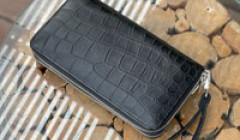
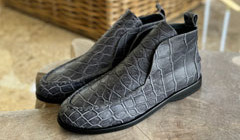
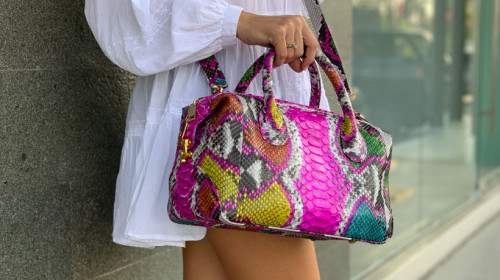
Introduction — Why Python Leather Commands Premium Prices
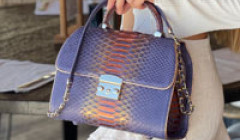
Python leather is one of the most sought-after exotic materials in the world. A python handbag can cost anywhere from $300 to over $5,000. Python shoes range from $200 to $1,500. Python jackets often start at $1,500 and go up to $10,000 or more.
But what actually determines these prices? Why is a genuine python bag more expensive than cowhide leather? And how can you tell if you're paying a fair price?
This guide breaks down the 7 key factors that determine the cost of python leather goods — from the quality of the raw skin to the craftsmanship, origin, and finishing details.
Factor 1 — Quality Grade of Python Skin
Not all python skin is equal. Suppliers grade python hides based on scale condition, pattern uniformity, and imperfections.
| Grade | Quality | Use | Price |
|---|---|---|---|
| A | Flawless, uniform | Luxury bags, jackets | 2.5–3x |
| B | Minor imperfections | Wallets, belts | 1.5–2x |
| C | Visible flaws | Budget items | 1x |
Grade A python skin is rare. Only about 10–15% of harvested skins meet this standard. That scarcity directly drives up the price of luxury python bags and designer python accessories.
Factor 2 — Cut of the Skin (Belly vs Back)
The same python hide produces different quality leather depending on where the cut comes from.
| Cut | Characteristics | Price |
|---|---|---|
| Belly | Large, uniform scales; symmetrical pattern | Most expensive |
| Back | Smaller scales; less uniform pattern | Moderate |
| Head / Tail | Very small or irregular scales | Least expensive |
A python handbag made entirely from belly cuts will cost significantly more than one made from back or mixed cuts. Some luxury brands use belly cuts exclusively for their high-end collections.
Factor 3 — Origin and Rarity
Where the python is farmed affects both quality and price.
| Origin | Characteristics | Price Level |
|---|---|---|
| Indonesia | World's largest producer; consistent quality | Moderate to High |
| Vietnam | Growing industry; good quality control | Moderate |
| Thailand | Established farms; reliable supply | Moderate |
| Africa | Wild-sourced (rare, restricted) | Very High |
| Captive bred (USA/Europe) | Very rare; high welfare standards | Extremely High |
Pythons are listed under CITES (Convention on International Trade in Endangered Species). Legal trade requires permits and certification. This regulatory overhead adds to the final price of genuine python leather goods.
Factor 4 — Tanning and Finishing Process
The way python skin is processed dramatically affects its quality, durability, and cost.
Tanning Methods
| Method | Characteristics | Cost Impact |
|---|---|---|
| Vegetable tanned | Natural process; develops patina; eco-friendly | +30–50% |
| Chrome tanned | Faster; consistent color; less expensive | Baseline |
| Combination tanned | Best of both; premium quality | +40–60% |
Finishing Options
| Finish | Characteristics | Cost Impact |
|---|---|---|
| Matte | Natural look; subtle sheen | Baseline |
| Glossy | High shine; more dramatic appearance | +15–25% |
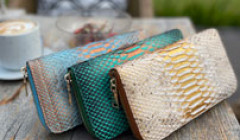
| Hand-painted / ombré | Artistic finishing; unique gradients | +50–100% |
A python bag with vegetable-tanned, hand-painted glossy leather will cost substantially more than a chrome-tanned matte version.
Factor 5 — Handmade vs Machine Made
Craftsmanship is one of the biggest cost drivers.
| Production Method | Characteristics | Cost Impact |
|---|---|---|
| Handmade | Each piece cut and stitched by artisans; hours of labor | 2x – 5x |
| Hand-finished | Machine stitched but hand-finished details | 1.5x – 2x |
| Machine made | Fully automated; consistent but less detailed | Baseline |
A handmade python wallet requires 4–8 hours of artisan labor. A handmade python jacket can take 40–80 hours. That labor is reflected in the final price.
Factor 6 — Brand and Provenance
Where you buy matters as much as what you buy.
| Source | Price Range (Handbag) | Markup |
|---|---|---|
| Luxury fashion house (Gucci, Saint Laurent, etc.) | $3,000 – $10,000+ | 8x – 15x |
| Mid-tier designer | $800 – $2,500 | 4x – 6x |
| Direct from artisan / workshop | $300 – $1,200 | 2x – 3x |
| Mass market / imitation | $50 – $200 | N/A (not genuine) |
Buying directly from a workshop like Exotic Python eliminates middlemen and luxury brand markups. You pay for the material and craftsmanship — not the logo.
Factor 7 — Product Type and Complexity
The final price also depends on what is being made.
| Product Type | Typical Price Range (Genuine Python) | Production Time |
|---|---|---|
| Card holder | $50 – $150 | 1–2 hours |
| Wallet | $150 – $400 | 2–4 hours |
| Clutch | $200 – $600 | 3–6 hours |
| Handbag | $400 – $2,000 | 6–15 hours |
| Shoes | $300 – $1,200 | 10–20 hours |
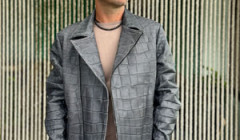
| Jacket | $1,500 – $8,000 | 40–80 hours |
More complex products require more time, more skill, and more expensive cuts of leather. A python jacket uses multiple whole skins, while a python card holder uses small off-cuts.
Price Comparison Table — Python vs Other Leathers
| Material | Price per sq ft | Durability | Rarity |
|---|---|---|---|
| Cowhide | $5 – $15 | Moderate | Common |
| Lambskin | $10 – $30 | Low | Common |
| Python | $40 – $150 | High | Rare |
| Crocodile | $80 – $300 | Very High | Very Rare |
| Ostrich | $50 – $120 | High | Rare |
Python leather is typically 3–10 times more expensive than cowhide leather, but offers superior durability, unique pattern, and exotic status.
Is Python Leather Worth the Higher Price?
Let's break down the value proposition.
Cost Per Wear Calculation
A $100 cowhide wallet lasting 3 years (used daily) = $0.09 per wear
A $300 genuine python wallet lasting 15 years (used daily) = $0.05 per wear
The python wallet is actually cheaper over time — and it looks better while doing it.
Other Value Factors
| Factor | Python Leather | Cowhide Leather |
|---|---|---|
| Unique pattern | ✅ One of a kind | ❌ Mass produced |
| Durability | ✅ 10–20 years | ⚠️ 3–5 years |
| Patina development | ✅ Becomes more beautiful | ⚠️ Shows wear |
| Resale value | ✅ Holds value | ❌ Depreciates quickly |
| Status symbol | ✅ Exotic | ⚠️ Ordinary |
For many buyers, the higher upfront cost of python leather goods is justified by longevity, uniqueness, and long-term value.
How to Identify Fair Pricing for Python Leather Goods
Use this checklist when evaluating a purchase:
| Factor | What to Look For |
|---|---|
| Skin grade | Ask if it's Grade A, B, or C |
| Cut | Belly cuts are more expensive |
| CITES certification | Ensure legal sourcing |
| Craftsmanship | Handmade commands higher prices |
| Finishing | Matte vs glossy; hand-painted details |
| Brand markup | Direct from artisan = better value |
| Warranty | Quality products come with guarantees |
If a genuine python bag is priced under $150, be suspicious — it may be embossed cowhide or low-grade python with significant flaws.
Frequently Asked Questions About Python Leather Pricing
Why is python leather more expensive than cowhide?
Python leather is rarer, more difficult to tan, and requires specialized craftsmanship. Each skin is unique, and only a small percentage meet Grade A standards.
How much does a python skin cost?
A Grade A python skin typically costs $80 – $200 depending on size, pattern, and origin. Grade B and C skins are less expensive.
Are expensive python bags worth it?
For genuine, high-quality python leather — yes. A well-made python handbag can last 15–20 years with proper care, making it more economical than replacing cheaper bags every few years.
How can I tell if I'm overpaying?
Compare prices across multiple sources. If a luxury brand charges $5,000 for a bag that a direct artisan sells for $800, you're paying for the logo — not the leather.
Does python leather increase in value?
Some vintage python bags from heritage brands have appreciated significantly. For most buyers, the value is in enjoyment, not investment — but python holds value better than cowhide.
Final Thoughts — Invest Wisely in Python Leather
The cost of python leather goods is determined by seven key factors: skin grade, cut quality, origin, tanning method, craftsmanship, brand, and product complexity.
Understanding these factors helps you make an informed purchase — whether you're buying a python wallet, a python handbag, or a python jacket.
Remember: the cheapest option is rarely the best value. A well-made python product costs more upfront but delivers years of enjoyment, compliments, and reliable service.
Leave a comment