






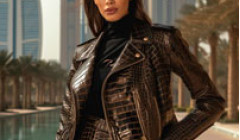
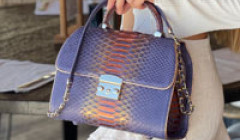
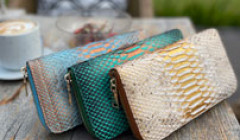
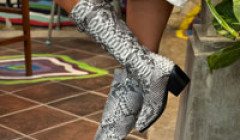
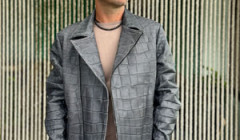
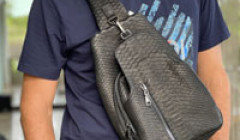
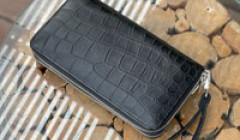
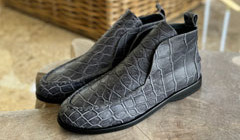
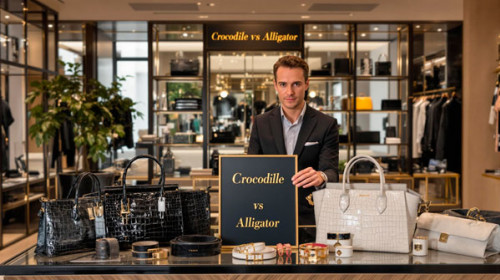
Luxury fashion circles are buzzing about crocodile and alligator skin, favorites for those who crave unique texture and timeless appeal. Yet shockingly, the real difference between these two leathers is not just in the look or price tag. What turns heads is that alligator skin comes with a signature umbilical scar and more symmetrical scales, making it a rare favorite for collectors and authenticity experts. This subtle detail could decide whether your next high-end accessory becomes a true investment or just another stylish purchase.
Quick Summary
| Takeaway | Explanation |
|---|---|
| Choose ethically sourced exotic leather | Prioritize brands that emphasize sustainable practices and responsible sourcing in their exotic leather production. |
| Recognize key differences between crocodile and alligator | Understanding the unique scale patterns and textures helps in selecting the right leather for your style and occasion. |
| Invest in quality and authenticity verification | Look for indicators like grain consistency and the umbilical scar in alligator leather to ensure you're purchasing genuine exotic leather. |
| Maintain leather with expert care | To preserve quality, clean gently and store properly, avoiding moisture and direct sunlight that can damage the leather. |
| Consider long-term investment value | High-quality exotic leather accessories can appreciate over time, making them not just fashion items but valuable investments. |
Luxury Fashion Trends for Exotic Skins
The exotic leather market continues to evolve, presenting discerning fashion enthusiasts with an intricate landscape of style, sustainability, and sophisticated craftsmanship. Luxury consumers increasingly seek unique materials that represent not just aesthetic excellence but also responsible sourcing and ethical production.
The Sustainable Luxury Revolution
Fashion's relationship with exotic skins is undergoing a significant transformation. The Council of Fashion Designers of America highlights a critical shift toward regulated, environmentally conscious exotic leather production. This emerging trend demonstrates that sustainable practices can coexist with luxury manufacturing.
Contemporary designers are reimagining exotic skins through a lens of conservation and economic responsibility. By supporting regulated trade, these initiatives provide economic value to wildlife preservation efforts. The International Crocodilian Farmers Association plays a pivotal role in establishing standards that protect both animal populations and local communities dependent on these industries.
Innovative Alternatives and Ethical Considerations
The push for sustainability has sparked remarkable innovations in biomaterials. Researchers exploring alternative materials are developing groundbreaking solutions like mycelium leather and plant-based exotic skin alternatives. These developments respond to growing consumer demand for cruelty-free, environmentally responsible fashion choices.
Interestingly, some major fashion events are taking decisive stances. The British Fashion Council's announcement to ban exotic animal skins from London Fashion Week starting in 2025 signals a significant industry transformation. This move reflects increasing pressure from consumers and ethical fashion advocates who demand transparency and responsible sourcing.
Crafting the Future of Exotic Leather
For luxury consumers, the future of exotic skins lies in a delicate balance between traditional craftsmanship and modern ethical standards. Discerning buyers now seek more than just aesthetic appeal – they want assurance of responsible sourcing, animal welfare, and environmental stewardship.
Designers and manufacturers are responding by developing more transparent supply chains, implementing rigorous traceability systems, and investing in conservation-focused production methods. This approach not only preserves the intrinsic value of exotic leathers but also ensures their continued relevance in a rapidly changing fashion ecosystem.
The trend is clear: luxury is no longer just about exclusivity and beauty. It's about making informed, responsible choices that reflect a deeper understanding of global environmental and social dynamics. For those passionate about exotic leather, this means selecting pieces that tell a story of craftsmanship, conservation, and conscious consumption.
If you're looking to explore exquisite crocodile leather options that embody these principles, check out our curated collection of sustainable exotic leather jackets.
Key Differences: Crocodile vs Alligator Skin
For luxury fashion enthusiasts and exotic leather connoisseurs, understanding the nuanced differences between crocodile and alligator skin is crucial. While these two reptilian leathers might seem similar at first glance, they possess distinctive characteristics that set them apart in the world of high-end fashion and accessories.
Anatomical and Sensory Distinctions
The most fascinating scientific difference between crocodile and alligator skins lies in their integumentary sense organs (ISOs). Scientific research reveals that crocodiles have ISOs distributed extensively across their entire body, whereas alligators primarily have these sensory organs concentrated on the lateral aspect of their mandible. These microscopic pigmented spots serve as intricate sensory mechanisms, allowing these reptiles to detect minute pressure changes in their environment.
These sensory differences translate directly into leather texture and quality. Crocodile skin tends to have a more uniform and elaborate sensory pattern, which contributes to its unique grain and visual complexity. Alligator skin, with its more localized sensory organs, produces a slightly different textural profile that discerning leather experts can distinguish.
Scale Patterns and Aesthetic Variations
Visual identification of crocodile versus alligator skin hinges on subtle yet significant scale arrangements. Crocodile scales typically feature more pronounced and irregular patterns, creating a more dynamic and unpredictable visual texture. Alligator scales, in contrast, present a more symmetrical and uniform appearance.
In luxury fashion, these differences manifest dramatically. Crocodile leather often displays a more adventurous, slightly more chaotic aesthetic that appeals to those seeking bold, statement pieces. Alligator skin presents a more refined, structured look that speaks to classic elegance and understated sophistication.
Geographical and Production Considerations
The origins of these exotic leathers further distinguish them. Crocodilian research indicates that these species inhabit different global regions, which impacts leather production. Crocodiles predominantly originate from Africa, Asia, and Australia, while alligators are primarily native to the southeastern United States.
These geographical differences influence not just leather availability but also sustainability practices and conservation efforts. Responsible leather producers must navigate complex ecological and regulatory landscapes to ensure ethical sourcing. Each species requires specific habitat management and controlled harvesting protocols.
For luxury consumers seeking exceptional exotic leather pieces that embody both scientific precision and artistic craftsmanship, understanding these nuanced differences becomes paramount. The choice between crocodile and alligator skin is not merely aesthetic but a reflection of one's appreciation for intricate biological diversity and refined manufacturing techniques.
If you're passionate about exploring these exquisite leather variations, discover our exclusive exotic leather collection that celebrates the unique characteristics of these remarkable reptilian skins.
Here is a comparison table summarizing the key differences between crocodile and alligator skin as described above:
| Feature | Crocodile Skin | Alligator Skin |
|---|---|---|
| ISOs (Sensory Organs) | Distributed across entire body | Concentrated on lateral mandible |
| Scale Pattern | Irregular, pronounced, dynamic | Symmetrical, uniform, refined |
| Umbilical Scar | Absent | Present (authentication marker) |
| Texture/Grain | More elaborate, complex grain | Smoother, more structured |
| Origin | Africa, Asia, Australia | Southeastern United States |
| Aesthetic Appeal | Bold, adventurous statement | Classic, understated elegance |
Choosing the Perfect Exotic Leather AccessorySelecting the ideal exotic leather accessory requires a sophisticated understanding of material characteristics, personal style, and functional requirements. Luxury consumers must navigate a complex landscape of aesthetic preferences, quality indicators, and ethical considerations to make an informed choice. Assessing Leather Quality and AuthenticityThe Museum of Fine Arts, Boston emphasizes the critical importance of understanding leather composition and durability. Authentic exotic leather accessories demand careful examination of several key factors. Grain consistency, scale pattern uniformity, and leather flexibility serve as primary indicators of superior quality. Discerning buyers should look for specific hallmarks of exceptional craftsmanship. The umbilical scar, a unique identifier in alligator leather, represents one such subtle yet significant authentication marker. Environmental leather experts recommend examining the leather under natural light, observing how the scales interact and reflect light to determine its genuine origin. Matching Leather to Personal Style and FunctionExotic leather accessories transcend mere fashion statements they represent personal narratives of sophistication and individual expression. Consider the intended use carefully. A sleek crocodile wallet demands different characteristics compared to a robust alligator travel bag. Scale patterns, color variations, and leather thickness play crucial roles in determining an accessory's aesthetic and practical potential. Texture becomes a critical consideration. Crocodile leather typically presents a more intricate, dynamic surface perfect for bold statement pieces. Alligator skin offers a more refined, structured appearance ideal for classic, understated elegance. Your choice should harmonize with your personal style narrative and professional context. Ethical Considerations and Investment ValueModern luxury consumers prioritize more than aesthetic appeal. Responsible sourcing, conservation efforts, and transparency in production become paramount. When selecting an exotic leather accessory, investigate the manufacturer's commitment to sustainable practices and wildlife conservation. Consider the long-term investment potential. High-quality exotic leather accessories appreciate in value when properly maintained. Proper storage, minimal exposure to direct sunlight, and professional conditioning can preserve the leather's integrity and aesthetic appeal for decades. The perfect exotic leather accessory represents a confluence of scientific precision, artistic craftsmanship, and personal expression. It is not merely a purchase but an investment in a piece of natural artistry that tells a unique story. Ready to explore exceptional craftsmanship? Browse our curated collection of premium exotic leather jackets that embody the pinnacle of luxury and sophistication. Here is a summary table to help readers identify essential quality and authenticity checks for exotic leather accessories as discussed above:
|
Expert Care and Maintenance Tips
Maintaining the exquisite quality of exotic leather accessories requires precision, knowledge, and dedicated care. Luxury consumers who invest in crocodile and alligator skin pieces must understand the nuanced maintenance techniques that preserve their investment's beauty and longevity.
Cleaning and Preservation Techniques
Margaret's Cleaners provide expert guidance on exotic leather care, emphasizing the critical importance of gentle maintenance. Professional leather specialists recommend using soft, dry cloths for routine cleaning, avoiding water and harsh chemicals that could compromise the delicate leather surface.The cleaning process demands meticulous attention. Gently remove surface dust using a microfiber cloth, moving in the direction of the leather's natural grain. For minor stains, use a specialized leather cleaner designed specifically for exotic skins. PanAm Leathers warns against using generic cleaning products that might damage the unique sensory patterns and intricate scales characteristic of crocodile and alligator leather.
Storage and Environmental Considerations
Proper storage is paramount in maintaining exotic leather's integrity. The Louisiana Department of Wildlife and Fisheries highlights the significance of controlling environmental factors. Store your exotic leather accessories in cool, dry environments away from direct sunlight and heat sources that could cause premature aging or discoloration.
Use breathable fabric bags for storage, avoiding plastic containers that trap moisture and potentially encourage mold growth. For structured items like handbags and boots, employ soft paper stuffing or specialized shapers to maintain their original form. Temperature and humidity control become critical preservation strategies for these delicate materials.
Professional Maintenance and Long-Term Care
Regular professional maintenance represents an investment in your exotic leather accessory's longevity. Expert conservationists recommend periodic professional conditioning using specialized products designed for crocodile and alligator skins. These treatments replenish natural oils, prevent cracking, and maintain the leather's characteristic luster.
Consider scheduling annual professional inspections with leather restoration experts who can identify and address potential issues before they become significant problems. Minor repairs and professional cleaning can extend your accessory's lifespan dramatically, transforming it from a mere fashion item into a generational heirloom.
Maintaining exotic leather is an art form that requires patience, knowledge, and genuine appreciation for these remarkable materials. Each careful maintenance step preserves not just the physical accessory but the story and craftsmanship embedded within its unique scales and textures.
Ready to explore our meticulously crafted exotic leather collection? Discover our premium leather jackets that represent the pinnacle of luxury and durability.

Frequently Asked Questions
What is the difference between crocodile and alligator skin?
Crocodile skin features irregular, pronounced scales, while alligator skin has more symmetrical and uniform patterns. Additionally, alligator skin contains a unique umbilical scar that crocodile skin lacks, making it easier to authenticate.
How can I identify genuine alligator leather?
Look for the umbilical scar, which is a distinctive oval mark that authenticates alligator leather. Also, check for grain consistency, texture, and scale arrangement under proper lighting to ensure you're purchasing genuine materials.
Are crocodile and alligator skin eco-friendly options?
Sustainable luxury practices are evolving in exotic leather production. Look for brands that prioritize responsible sourcing and conservation efforts, as many contemporary designers are committed to ethical production methods.
How should I care for my crocodile or alligator leather items?
To maintain crocodile and alligator leather, use a soft, dry cloth for cleaning and avoid harsh chemicals. Store items in a cool, dry place, away from direct sunlight, and consider professional conditioning to preserve the leather's integrity.
Ready to Own the Pinnacle of Exotic Leather Luxury?
Are you frustrated by the never-ending search for authentic, high-quality crocodile and alligator leather goods that actually match your standards for exclusivity? As outlined in our luxury guide, identifying genuine reptile leather and making informed choices requires specialized knowledge. Issues like verifying the source, spotting features such as grain consistency and the distinctive umbilical scar, as well as ensuring ethical sourcing, leave many shoppers hesitant and uncertain about their investment. Now, discovering superior craftsmanship and ethical luxury is easier than ever.
Step into a world where every detail matters. Exotic Python brings your appreciation for exceptional reptile leather to life with handcrafted accessories and custom apparel. View our curated collection of python and snakeskin clutches or explore bespoke options to express your individuality with confidence. Experience fast worldwide delivery, personalized service, and the peace of mind that comes from choosing proven authenticity. Visit Exotic Python today and elevate your collection—luxury like this is meant to be experienced now.
Leave a comment